
Culturally Attuned Therapy for Afro-Caribbean Women

For the daughters who were raised to be strong, capable, and never too much
You were taught to work hard. To represent. To make the sacrifices your parents made count for something. To hold it together, even when it costs you. You learned young how to read a room, manage your tone, anticipate what was coming, and keep the peace, especially at home.
Those skills got you here. They also made it hard to know the difference between being fine and being quiet.
If any of that sounds familiar, you're not alone, and you're not overreacting.
What shows up in this work
The women I see who come from Caribbean families (Trinidadian, Jamaican, Guyanese, Haitian, Bajan, Grenadian, Vincentian, and more) often carry a specific set of tensions that don't always translate in traditional therapy rooms:
Loyalty to family that sometimes feels indistinguishable from obligation
Pride in your parents' sacrifice, layered with grief about what you weren't given emotionally
A mother who is loving and hard to be around, sometimes in the same conversation
The expectation to be productive, composed, and grateful, at all times
A relationship to rest that feels more like guilt than relief
Navigating West Indian cultural expectations while building a life shaped by American context, or vice versa
You don't have to explain any of this from the beginning. We can talk about "licks" and what they taught your body. We can talk about what it meant to be the first to go to college, or the one who stayed close. We can talk about the aunties. None of it needs translation.
Why cultural context matters in this work
A lot of therapy frameworks were built for a different client in mind. When you bring Caribbean family dynamics into a room that doesn't have language for them, you end up doing double work: explaining the context and trying to heal inside it.
In this work, we skip the explaining. We pay attention to what's actually happening: how your shoulders tense before a call with your mother, the way you laugh off a comment that actually landed, the pattern of over-giving until you go quiet. That's where the work lives.
Women often come in for one thing and discover the roots are somewhere else. Common entry points:
The anxious feeling that never fully turns off
Dating patterns that echo the dynamics you grew up around
Guilt when you do something for yourself
Resentment you didn't know you were carrying
Difficulty naming what you need, even to yourself
Wanting closeness and also needing distance, often at the same time
How therapy is structured
Sessions are held over secure video. I'm licensed in New York and New Jersey, and I work with women across both states, including many who grew up in Caribbean communities in Brooklyn, Queens, the Bronx, Essex County, Hudson County, and beyond.
The work is attachment-based, relational, and practical. We move at a pace that respects your nervous system. You'll gain insight, and you'll also leave with language and skills you can use between sessions.
A note on who I am
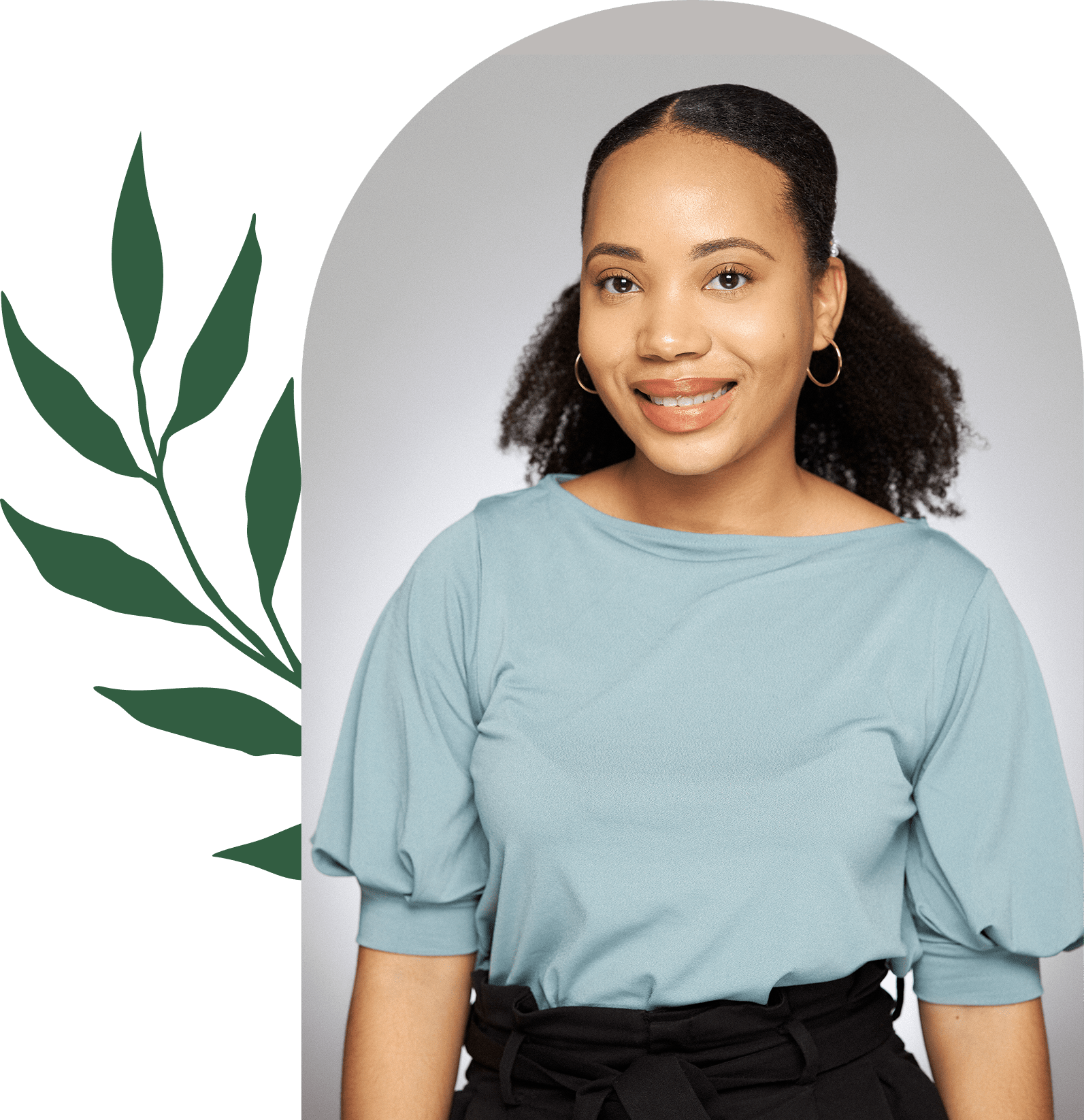
I'm Malika Latchman, LMHC. My background is Afro-Caribbean. I know what it means to grow up between cultures, to love your family and feel complicated about them, and to carry expectations that other people can't always see. That lived context shapes how I show up in this work, but the work itself is always about you.
When you're ready
A free consultation is a short, low-pressure conversation. No intake interrogation. No need to have your story polished. We'll talk about what's been feeling heavy and whether this feels like the right space for the work you want to do.